
What Makes the 2026 Champions League Final Different
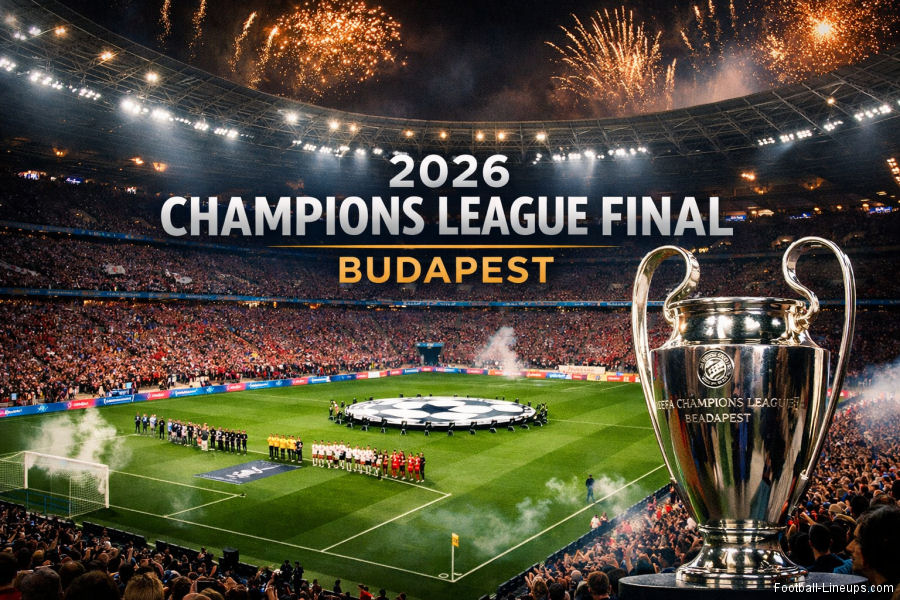
European club football always feels like it’s building towards one night, but the 2026 UEFA Champions League final in Budapest has an extra edge to it. The Puskás Aréna is a modern, steep-sided bowl that keeps noise trapped inside and pushes the game towards intensity. Finals are rarely “good football” in a pure sense. They’re usually tight, cagey, and decided by one or two high-quality moments. In Budapest, the atmosphere is likely to make those moments feel even louder.
In the weeks before kick-off, the build-up will be everywhere, from tactical breakdowns and injury-watch threads to fixture pages such as BetGoodwin football betting. But the real draw of this final is the match itself: two elite teams playing under a set of pressures that do not existin a league game. One mistake is not a setback. It is history.
Why Budapest matters for a Champions League final
Budapest is not just a new pin on the map. It changes the feel of the trip. Fans will travel into a city that is compact enough to make the final feel like it has “taken over” the streets, with match- day energy concentrated around central hubs rather than scattered across endless suburbs.
Inside the stadium, the pitch and sightlines encourage speed. Finals often start with cautious possession, but in a venue like this, the game can become emotional quickly. One early tackle, one surge down the wing, one half-chance that forces a great save, and you get a sense of a match tipping into momentum. That is usually where finals are decided: not by who has the prettier system, but by who handles the emotional spikes better.
What finals have become tactically
In recent seasons, Champions League knockout football has moved towards a very specific kind of control. The best sides defend with the ball, but they also defend by denying counters. That has produced a familiar pattern.
1. One team tries to pin the opponent back with a high line and constant pressure.
2. The other team looks for two or three precise counter-attacks rather than a steady stream of chances.
3. The match swings on whether those counter-attacks become clean shots or messy half-moments.
Budapest is likely to suit the team that can switch gears fastest. Finals are full of periods where the ball circulates safely, then a single trigger changes everything. A loose pass into midfield. A full-back caught too high. A second ball not cleared properly. The teams that win these games are the ones that recognise those triggers instantly.
🇭🇺 The 2026 Champions League final will be held in Budapest, at the Puskás Aréna!
— UEFA (@UEFA) May 22, 2024
All the Executive Committee decisions: ⬇️#UCLfinal
The battles that usually decide a Champions League final
Even without knowing the finalists yet, you can predict the pressure points because finals repeat the same themes.
The first 20 minutes
Finals are often decided by how each team survives the opening phase. Some sides try to overwhelm early and score before nerves settle. Others try to slow the game, win a few fouls, and make it feel like a normal match. If one team starts too cautiously, they invite the opponent to grow in belief. If they start too aggressively, they can be punished in transition.
The wide areas and the “third-man run”
A lot of modern Champions League chance creation comes from wide overloads that end in a cutback. The defender’s nightmare is not always the winger. It’s the midfielder arriving late at the edge of the box while everyone is turned towards the ball. Watch for the third-man runner. That is often how the first big chance arrives.
Set pieces under final pressure
Set pieces are always important, but finals magnify them because open-play chances can be limited. Corners and wide free-kicks become psychological events. You can feel the tension in the stadium on every delivery. A team that is well-drilled on rest defence, meaning how they stop counters after their own set pieces, has a real advantage. One badly defended second ball can decide the trophy.
The goalkeeper’s role with the ball
At this level, the goalkeeper is part of the system. If a team builds from the back, the keeper has to be calm enough to draw pressure and then release it. In a final, that calm gets tested. You can spot nerves early through goalkeeping decisions. Does the keeper go long under light pressure. Do they hesitate on back-passes. Do they punch crosses they would normally claim.
Those details often predict where the match is heading.
The star factor, and why finals rarely follow the script
The Champions League is sold on stars, but finals are often won by the player you notice least until they start doing everything right. A defensive midfielder who blocks passing lanes. A full- back who wins the same duel six times. A centre-back who keeps stepping out at the right moment to kill counters before they start.
At the same time, finals can pivot on one act of individual quality. The shot from 25 yards when the opponent is sitting deep. The first touch that turns pressure into space. The through ball that splits a line that looked organised. That is why finals feel different to league games. League football rewards repeated patterns across 38 matches. Finals reward the person who produces one perfect action under the most stress.
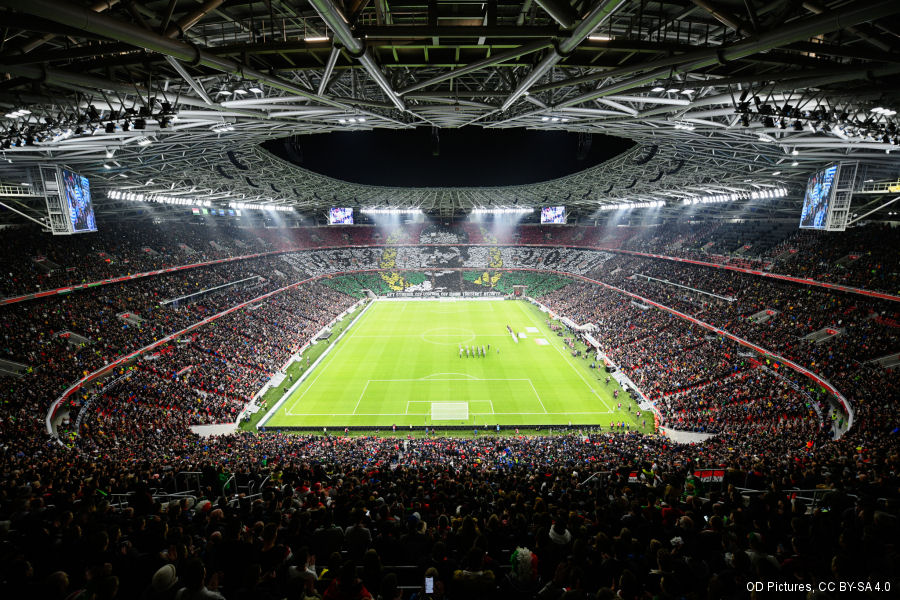 The 2026 UEFA Champions League Final in Budapest promises unmatched intensity at Puskás Aréna, where atmosphere and high-stakes moments define history.
 The fan experience in 2026
For many supporters, the final is a travel story as much as a football story. Budapest encourages that because the city is walkable, the nightlife is concentrated, and the sense of a “football takeover” tends to be stronger in places where fans end up sharing the same spaces.
Expect the rhythm to look like this:
- The day before: fan zones, shirt-spotting everywhere, and the first real wave of songs.
- Match day: the long build of anticipation that starts mid-morning, even for night kick-offs.
- After: either a city-wide celebration that runs until sunrise, or a quiet, stunned exit where the result follows people through the airport.
What to watch for if you want to “read” the game quickly
If you only have the first ten minutes to form a view, look for three clues.
1. Who is winning the midfield duels. Not possession, but duels. Who is taking second balls and keeping attacks alive.
2. How brave the full-backs are. Are they pushing high and wide, or staying cautious. That tells you which team feels secure.
3. Where the first chances come from. If the first chances are counters, the match is likely to stay stretched. If the first chances are patient cutbacks, the game may become a siege.
The point of the final
The Champions League final is football stripped down to consequence. Everyone arrives with a plan. Very few leave with the game they imagined. Budapest will give it a distinctive stage, but the outcome will still come down to the same final truths: who stays calm, who takes their moment, and who makes the one mistake they cannot take back.
- Champions League 2026
- Puskás Aréna