
How Football Fans Are Spending More Time Engaging With the Game Away From Matchday
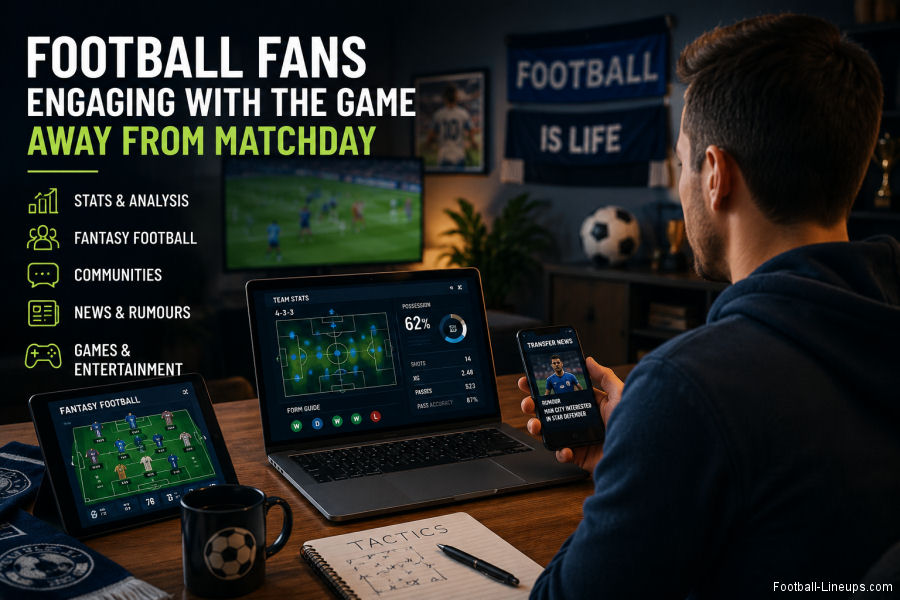
Football remains the world's most popular sport, but the way football fans engage with the game has changed dramatically over the past decade. In previous generations, supporters primarily interacted with football by attending matches, watching television broadcasts, reading newspapers, and discussing results with friends.
Today, football fan engagement extends far beyond matchday. Supporters consume football content daily, analyse statistics, follow transfer news, debate tactical decisions, manage fantasy football teams, and participate in football-focused online communities.
The growth of digital platforms has transformed football into a year-round experience. Whether fans are tracking player performance, reviewing expected goals data, or exploring football-related entertainment, modern supporters are spending more time connected to the game than ever before.
Football Data and Analytics Have Become Mainstream
One of the most significant developments in modern football culture is the widespread availability of advanced football statistics and performance data.Supporters no longer evaluate players solely through goals and assists. Metrics such as expected goals (xG), progressive passes, pressing actions, ball recoveries, and possession statistics have become part of everyday football discussions. This analytical approach has helped create a more informed audience that seeks deeper insight into team and player performance.
Football analytics platforms have played a major role in making advanced statistics accessible to casual and dedicated supporters alike. Fans can now compare players across leagues, evaluate tactical systems, and better understand the factors that influence success at the highest levels of the game.
The growing popularity of football analytics reflects a wider trend: fans increasingly want to participate in football conversations rather than simply observe them.
The Rise of Interactive Football Entertainment
As football fan engagement has expanded, so too has the range of interactive entertainment options available to supporters.Fantasy football has become a global phenomenon, allowing fans to test their football knowledge against friends, colleagues, and fellow supporters. Prediction games and football management simulations have also experienced significant growth, giving users the opportunity to make strategic decisions based on real-world football events.
Alongside these football-focused experiences, many fans have embraced other forms of online entertainment that reward strategy, progression, and competition. This includes everything from mobile games to interactive communities and increasingly popular social casinos, which focus on entertainment-based gameplay rather than traditional wagering.
The appeal often comes from the same motivations that make fantasy football so successful. Participants enjoy making decisions, tracking progress, competing with others, and engaging with communities that share similar interests.
Football Is No Longer Limited to Matchday
For many supporters, football is no longer confined to weekends or midweek fixtures.Transfer rumours, injury updates, tactical breakdowns, player interviews, and statistical analysis provide a constant stream of football content. Social media platforms have accelerated this trend by creating a real-time environment where fans can discuss developments as they happen.
This continuous flow of information has transformed football into a daily experience. Even during international breaks, pre-season tours, or the off-season, supporters remain connected through speculation, analysis, podcasts, videos, and online discussion.
As a result, football fans now spend significantly more time interacting with football-related content than at any point in the sport's history.
Why Football Fans Enjoy Strategy-Based Games
Football is fundamentally a game of strategy. Managers spend countless hours preparing tactical plans, analysing opponents, and identifying strengths and weaknesses. Dedicated supporters often adopt a similar mindset when following the sport.Many football fans enjoy evaluating probabilities, predicting outcomes, and discussing potential scenarios. This helps explain why football audiences are frequently attracted to activities that involve decision-making, planning, and competition.
Fantasy football is perhaps the clearest example. Success depends on analysing player performance, understanding fixture schedules, monitoring injuries, and making calculated decisions throughout the season.
Similar principles can be found across various forms of interactive entertainment, where users are rewarded for thoughtful choices rather than pure chance. The connection between football analysis and strategic gaming highlights how modern supporters increasingly seek active participation rather than passive consumption.
Football Communities Continue to Drive Fan Engagement
Despite advances in technology, the social aspect of football remains one of its strongest attractions.Supporters want to share opinions, celebrate victories, debate controversial decisions, and compare viewpoints. Digital platforms have expanded these conversations, allowing football fans from different countries and cultures to connect instantly.
Football communities now thrive across forums, social networks, podcasts, video platforms, and dedicated fan websites. Discussions can range from tactical analysis and transfer targets to player development, league comparisons, and match predictions.
Many successful entertainment platforms have adopted a similar approach, recognising that community interaction is often just as important as the activity itself. Whether fans are discussing football statistics, fantasy league performance, or other online experiences, engagement is frequently driven by shared interests and friendly competition.
The Future of Football Fandom
The future of football fandom is likely to become even more interactive. Artificial intelligence, personalised content recommendations, enhanced statistical tools, and immersive digital experiences are already changing how supporters engage with football. Fans increasingly expect content tailored to their interests while providing deeper insight into the teams, tactics, and players they follow.At the same time, opportunities for participation will continue to expand. From fantasy sports and prediction platforms to emerging entertainment formats and football communities, supporters now have countless ways to remain connected to the sport beyond watching matches.
What has not changed is the passion that drives football fans. Technology may alter how supporters engage with the game, but the desire to analyse, compete, discuss, and share experiences remains at the heart of football culture.
As football continues to evolve, the most successful platforms will be those that recognise a simple reality: today's supporters want to be part of the conversation every day, not just on matchday.
World Cup 2026 fixture