
Why Football Fans Love Strategy-Based Digital Entertainment
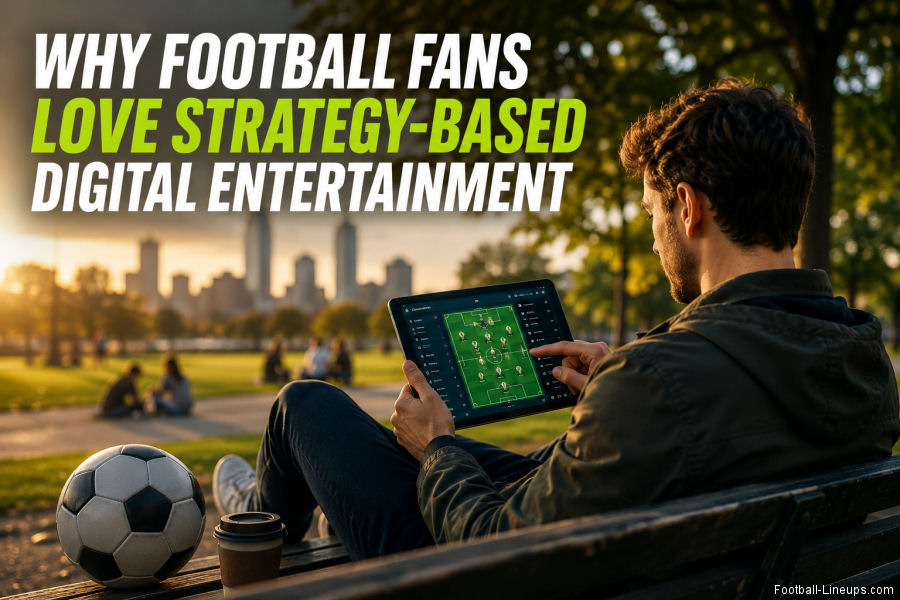
Football has always been a game of strategy. Managers choose formations, coaches analyse opponents, and players make split-second decisions that can change the outcome of a match. For supporters, much of the enjoyment comes from understanding those decisions, debating tactics, and predicting what might happen next.
In recent years, that passion for football strategy has expanded beyond the pitch. Fans increasingly participate in digital experiences that reward planning, analysis, and decision-making. From fantasy football and prediction games to management simulations and interactive entertainment platforms, supporters are finding new ways to test their football knowledge and competitive instincts.
This evolution reflects a broader shift in how football audiences engage with the sport. Modern fans no longer simply watch football—they actively analyse, predict, and participate.
Why Modern Football Fans Think More Strategically
Football supporters today have access to more information than any previous generation.Detailed match statistics, player performance metrics, heat maps, expected goals models, and tactical breakdowns are readily available online. What was once reserved for professional coaches and analysts has become part of everyday football discussion.
Supporters regularly compare formations, evaluate transfer targets, analyse player roles, and debate managerial decisions using data-driven insights. This has helped create a more analytical football culture where understanding tactics and strategy is often just as important as following results.
As fans become increasingly invested in the strategic side of football, it is natural that many are attracted to other activities that reward planning, prediction, and calculated decision-making.
Why Football Fans Enjoy Decision-Based Entertainment
One reason football supporters enjoy interactive digital experiences is that they often mirror the decision-making processes found within the sport itself.Managers must assess risk, adapt to changing circumstances, and make choices based on incomplete information. Fans regularly engage in similar exercises when discussing football.
Should a team switch formation? Which player deserves a starting role? Is a transfer worth the investment? These debates rely on analysis, probability, and judgement rather than certainty.
The same principles apply across many forms of digital entertainment. Users are frequently rewarded for recognising patterns, evaluating options, and making informed decisions.
This helps explain why some football supporters also explore activities such as online social casino games, where progression, strategy, and player choice can play important roles in the overall experience. Similar to fantasy football and football management simulations, these platforms often appeal to individuals who enjoy structured competition and interactive engagement.
Why Fantasy Football Remains So Popular
Fantasy football remains one of the strongest examples of strategy-based sports entertainment.Participants must evaluate players, monitor injuries, analyse fixtures, and make strategic decisions throughout an entire season. Success often depends on recognising trends and making informed choices based on available information.
The appeal extends far beyond simple entertainment. Fantasy football allows supporters to apply their football knowledge in a competitive environment while engaging with friends, colleagues, and wider communities.
For many fans, fantasy football creates an additional layer of involvement that keeps them connected to the sport every day rather than only on matchdays.
Interactive Sports Entertainment Is Growing Rapidly
Alongside fantasy football, a wide range of interactive sports experiences has become increasingly popular among football audiences.Football management simulations, prediction games, sports quizzes, and community competitions all attract users who enjoy combining entertainment with strategic thinking. These experiences allow participants to compete, improve performance, and engage with others who share similar interests.
The popularity of these platforms reflects changing consumer expectations. Modern audiences increasingly prefer active participation over passive consumption. They want opportunities to influence outcomes, track progress, and compare their performance against others.
Technology has made these experiences more accessible than ever before, allowing football fans to participate from virtually anywhere.
Community Remains a Key Part of the Experience
Football has always been built around community.Supporters gather in stadiums, watch matches together, and spend countless hours discussing players, tactics, and results. Digital technology has expanded these conversations, allowing fans from different countries and backgrounds to connect around shared interests.
Many successful interactive platforms have adopted similar community-driven approaches. Features such as leaderboards, rankings, achievements, and social interaction encourage participation while creating a sense of belonging.
The combination of competition and community is particularly powerful because it reflects many of the same motivations that drive football fandom. People enjoy measuring themselves against others while also feeling part of a larger group.
How Data and Analytics Are Changing Football Fans
The growing availability of football data has transformed how supporters engage with both football and digital entertainment.Statistics help fans make better-informed decisions, whether selecting fantasy football players, evaluating team performances, analysing tactical systems, or participating in interactive experiences. Access to information creates deeper engagement and often makes strategic activities feel more rewarding.
This trend is likely to continue as artificial intelligence and advanced analytics become more widely adopted. Fans will gain access to increasingly sophisticated tools that improve understanding and support decision-making.
For platforms seeking to engage football audiences, data-driven experiences will remain a major advantage.
The Future of Strategy-Based Sports Entertainment
Football's popularity has always been built on competition, passion, and strategic thinking.While the sport itself remains at the centre of fan culture, technology has expanded the number of ways supporters can engage with those same elements. Fantasy sports, football management games, prediction platforms, and other interactive experiences have created entirely new opportunities for participation.
Rather than simply watching football, supporters can now apply their knowledge, test their judgement, compete with others, and develop their understanding of the game in a variety of environments.
As digital experiences continue to evolve, the connection between football and strategy-based entertainment is likely to become even stronger. Platforms that successfully combine competition, community, analytics, and decision-making will continue attracting highly engaged audiences.
Ultimately, the appeal comes from the same source that has always made football compelling: the challenge of making the right decision when the outcome remains uncertain. Whether on the pitch, in fantasy football, or within another competitive environment, strategy remains one of the most rewarding aspects of the sporting experience.
World Cup 2026 fixture