
The global influence of major football competitions
 source : pexels
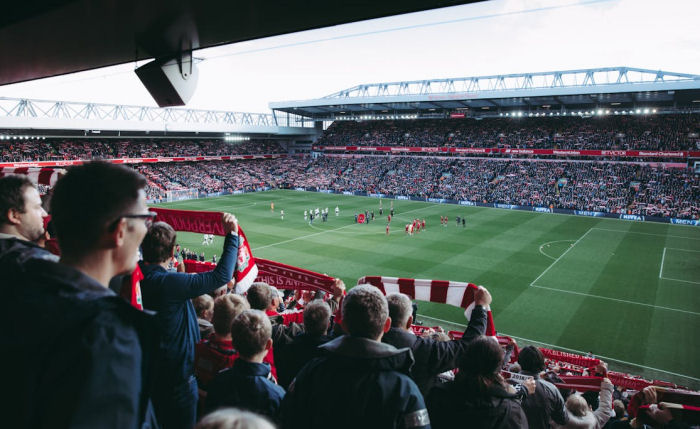
The global landscape of sports is profoundly shaped by major football competitions, catering to millions of fans and sparking waves of economic and cultural impact worldwide. Particularly, leagues such as the Premier League, La Liga, and the UEFA Champions League have transcended their local boundaries to become powerhouse brands that command a worldwide audience.
The economic impact of football tournaments
At the heart of these football tournaments lies not just athletic prowess but also substantial economic opportunities. Cities hosting games see significant boosts in tourism, hospitality spending, and city branding. For instance, during the FIFA World Cup 2018 in Russia, the country reported an added $14 billion to its economy, attributed partly to the influx of international visitors and increased consumer spending.
In addition, cities bolster their global profiles, often seen as attractive destinations long after the final whistle blows. Such visibility can lead to increases in future tourism and investment, cementing the role of football in urban economic strategies.
Social and cultural ripple effects
Beyond the pitch, the influence of global football extends into the fabric of society, impacting cultural norms and community identities. Major competitions showcase a melting pot of cultures and nations, fostering a spirit of unity and diversity. For example, during international tournaments like the UEFA Euro, bars, homes, and public venues become hubs of communal interaction, where fans of different backgrounds gather to support their teams.
Fans also partake in viewing parties, fantasy leagues, and sports betting, activities that not only enhance engagement with the matches but also help forge a deeper connection with the sport.
Technological advancements and broadcasting rights
The appeal of football is largely amplified by advancements in technology and broadcasting. Today, viewers can watch live matches from smartphones, tablets, and other digital devices, increasing accessibility for fans worldwide. The sale and acquisition of broadcasting rights have become pivotal economic drivers for football leagues. A premiere league might secure deals worth billions of dollars across multiple platforms, widening their reach and dramatically influencing global viewership numbers.
Influence on youth programs and grassroots developments
Major football tournaments also play a critical role in inspiring the next generation of athletes. These events offer a platform for young talents to aspire toward and provide various development programs sponsored by larger leagues and governing bodies. Initiatives like the FIFA Grassroots Program and UEFA's Youth League are fundamental in nurturing young talent and ensuring the sport's growth at the grassroots level.
Moreover, successful national teams and star players become icons and role models, encouraging participation in youth leagues across the globe. For example, the Spanish academies known for producing internationally recognized talents emphasize skill development from early ages, setting benchmarks worldwide.
Marketing and merchandise revenue
From jerseys to video games, major football competitions generate vast marketing and merchandise revenue streams. Fans wearing their favorite team’s colors create a visible, moving billboard, leading to increased sales and marketing buzz. Similarly, franchises like FIFA by EA Sports bank on the excitement surrounding tournaments to release timely updates and editions that typically see spikes in sales aligned with major events.
Merchandising extends beyond typical memorabilia, enveloping co-branding opportunities with sectors not directly related to sports, such as fashion, electronics, and automobiles. This diversification not only enhances brand visibility but also opens up new revenue channels.
Catalysts for infrastructure improvements
Hosting a major football event often calls for extensive infrastructural enhancements, including stadium upgrades, improved public transport, and better telecommunications services. These improvements generally remain in use long after the tournaments, benefiting the local communities economically and socially. When South Africa hosted the 2010 FIFA World Cup, it didn't just upgrade stadiums but also overhauled airports and road networks, enhancing the urban landscape significantly.
- Economic boost: Short-term visitor spending and long-term investments in host cities.
- Social benefits: Enhanced community facilities and public spaces.
- Raising global profile: Improved perceptions and greater global awareness.
Each of these factors —economic, social, technological, and infrastructural— contributes to the immense footprint of football on a global stage, evidencing how intertwined the sport is with various aspects of life and industry. As football continues to captivate hearts and imaginations around the world, its legacy as more than just a game endures, impacting everything from local businesses to international relations.