
How Sports Science Helps Football Players Extend Their Careers
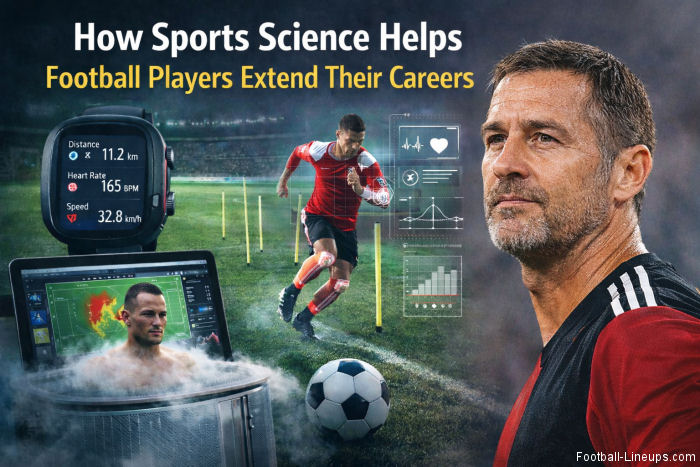
Modern football is faster and more physically demanding than ever. Players are required to cover greater distances, perform more high-intensity sprints, and cope with increasingly congested schedules. Maintaining peak condition is no longer just about training—it has become a science. Sports science helps athletes stay fit and perform at their highest level through advanced training methods, recovery programs, and injury prevention strategies.
Data and Technology in Player Monitoring
One of the most important tools in modern football is data analysis. Clubs use wearable GPS trackers and performance software to monitor every movement during training sessions and matches. These technologies track speed, heart rate, sprint distance, and overall workload, providing valuable insights for coaches and medical staff.
When data shows signs of fatigue or overload, training intensity can be adjusted accordingly. This proactive approach helps reduce injury risk and ensures players maintain consistent performance levels throughout the season. Today, data-driven decision-making is a core part of squad management at elite clubs.
Recovery Strategies That Protect the Body
Recovery is just as important as training. Without proper rest, muscles cannot rebuild and strengthen effectively. Sports scientists design personalized recovery routines that allow players to perform consistently over many years.
Common recovery strategies include:
- Cryotherapy sessions to reduce muscle inflammation
- Massage therapy to improve circulation and relaxation
- Personalized nutrition plans developed by sports dietitians
- Sleep monitoring to optimize recovery cycles
These methods help players recover faster between matches and maintain long-term physical resilience.
Protecting Players and Avoiding Injuries
Injuries remain one of the biggest threats to a footballer’s career. Modern sports science focuses heavily on prevention rather than treatment. Strength and conditioning programs are designed to stabilize joints, improve balance, and strengthen key muscle groups.
Movement specialists also analyze running mechanics and body control to correct small inefficiencies before they become serious problems. By identifying risk factors early, clubs can significantly reduce long-term injuries and extend player availability across the season.
Real-World Examples of Sports Science in Action
Sports science has already helped extend the careers of some of football’s biggest names. Cristiano Ronaldo has maintained elite physical condition into his late 30s through strict recovery routines, body monitoring, and tailored training programs. Similarly, Luka Modrić continues to perform at the highest level thanks to careful workload management and advanced fitness strategies at Real Madrid.
In the Premier League, players like James Milner have benefited from data-driven conditioning and injury prevention, allowing them to remain competitive well beyond the traditional peak years. These examples show how scientific approaches have become essential in modern football.
The Role of Fans and the Football Ecosystem
Football extends far beyond the pitch, with fans playing a central role in the sport’s global ecosystem. Supporters engage deeply with matches through statistics, tactical discussions, and real-time analysis, creating a more interactive experience around the game.
This engagement has evolved alongside digital platforms that allow fans to follow matches more closely and participate in different ways. Some platforms integrate live data, predictions, and interactive features that enhance the viewing experience. Services such as 1xbet - 1xbet.ug/en are part of this broader landscape, offering additional ways for fans to connect with football alongside traditional media. While separate from on-field performance, these platforms reflect how football has become embedded in everyday digital culture.
The Future of Longer Football Careers
Sports science continues to evolve rapidly. Technologies such as artificial intelligence, biomechanical analysis, and fully personalized training programs are becoming standard at elite clubs.
As these innovations advance, players are increasingly able to maintain peak performance well into their late 30s. What was once exceptional is now becoming normal, as science and technology continue to redefine the limits of a football career.