
How to Teach Soccer
 source : unsplash
Every parent wants their youngster to stay active and healthy right from the start. The best way to achieve this is by familiarizing your child with an enjoyable sport. You have many options, but soccer is one of the most popular sports among kids between five and ten. Yes, an early introduction to soccer is harder than finding a reputable essay writer service, but several practical strategies can help you get it right.
Most kids love this game for its simplicity. They only need sufficient playing space and a ball, and they'll be running about chasing their Christiano Ronaldo dream. The following proven steps will help introduce your kid to the beautiful game.
Lead by Example
Children are quick to pick up on everything around them. This fact is especially relevant to the things they observe in the actions of their mother or dad. It's amazing to lead by example, but it can be a curse if you do things your child would like to avoid. Your youngster will likely pick up your mistakes later if you're a reckless driver or can't tidy up your bedroom.
This is a fantastic technique to pique your child's enthusiasm for soccer. They will most likely want to join in if you begin to kick a ball around on the lawn and they observe you enjoying yourself.
Buy Them a Ball
This is the most obvious add-on when initiating your child's soccer practice. Start modest with a size two or three that will be comfortable for them to play with. A kid who has their ball will play soccer with joy throughout the house. They'll pick up the fundamentals of the game and stay energetic without noticing.
The child will find it even more entertaining if you both pick the ball. There are countless styles, hues, and manufacturers available today. Work with your youngster and allow them to select their favorite to get them involved immediately.
Give your child the ball on a big day to make it feel even more important to them. This might be a gift to celebrate their birthday, a Christmas present, or a commendation for a job well done in the house or school. They will likely enjoy playing with the ball if you associate it with a happy occasion.
Create a Backyard Goal Post
Your child will crave to score goals like most other young players as their comprehension of the game develops. Inspire their dream by acquiring a miniature goalpost for the yard or installing one yourself. Parents who've done it successfully acknowledge that this terrific technique motivates kids to set objectives and learn basic abilities like accurate striking.
Savvy parents go for pop-up goals because they are portable and can fit in the yard or park. The goals allow for one-on-one matches and practicing penalty kicks.
The Earlier, the Better
Elite soccer teams and academies begin looking for young players below 9. Youngsters have the finest opportunity to start down the route of a professional career at their earliest age. Start your child's
soccer experience as quickly as possible if you expect them to show interest in this career route. This phase should ideally start when the child is approximately two to four years old. Don't worry if your child is not interested in the above age group. There are still ways to prepare them for coaching sessions or summer camps. By the time they reach four years old, their interest may have grown.
Your youngster's prior social engagement greatly influences their ability to adjust to their first sessions. They may feel overwhelmed in a coaching session with many other kids if they haven't spent time with other kids in a nursery. So be patient with them as you nurture their confidence and excitement in soccer activities.
Watch Football Together
This step is part of your goal to lead by example since kids are typically inspired to try things after witnessing others succeed. The experience of watching "grown-up television" alongside their favorite adult will also be enjoyable for them. Younger children still not interested in football may only be there for a portion of the 90 minutes. However, you can expose them to YouTube clips of goals and thrilling moments to pique their curiosity.
Go a notch higher by exposing the kid to your preferred soccer club. Show them snippets of the team and explain why you're behind the club. It doesn't matter whether it's a well-known or small one. A child familiar with the parent's team will be more excited about soccer. You'll also deepen your relationship with them when you enjoy a live game together.
Invite Their Friends
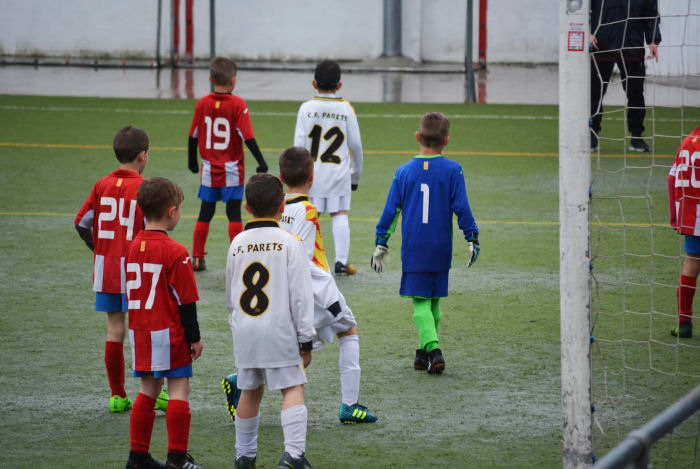
Soccer is a teamwork sport. Your child can't enjoy it fully if they play alone in the backyard. Youngsters want to engage in their favorite activities alongside others, so increase their fun and foster close relationships by inviting several friends.
 source : unsplash
It can be tempting to assign kids to teams, but this isn't a good thing to do at this level. Instead, motivate them to pass the ball to one another and team up to direct it into the backyard goalpost. They will then discuss their adventures amongst themselves for days on end.
Practice Consistently
Every sport acknowledges that practice makes perfect. A child who practices consistently has a better chance of learning the game early and improving constantly. You have many opportunities to support your kid's interest in soccer and help them get better at it right in your backyard.
Motivate your youngster to practice their football skills outside of lessons. You'll help them improve and can strengthen family connections in a fun way. Search the web and create small games, practice drills, and hurdles at home to keep your kid interested and enthusiastic about the sport.
Many parents struggle to introduce their children to the beautiful game. But this should be easy if you heed the above guidelines. Remember to encourage an optimistic and athletic outlook throughout the process. Stress the importance of collaborating and regard for fellow players and trainers. A positive outlook goes a long way toward creating a positive team environment. Soccer is a great approach to building strong character since it is about respect and positive experiences.