
How Injuries Shape the Careers of Professional Football Players
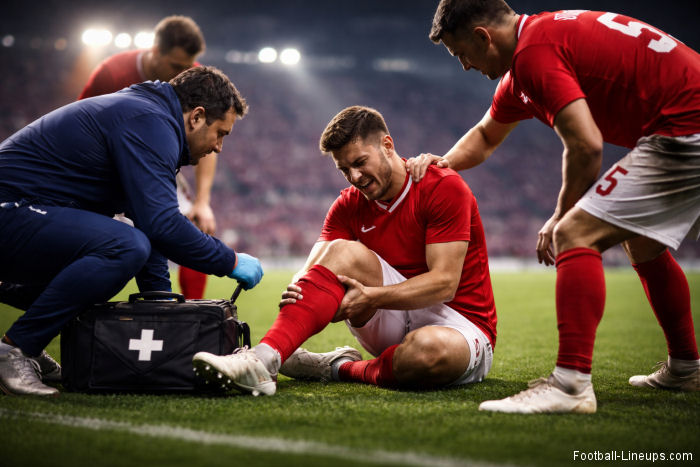
Injuries are one of the most decisive factors in professional football, often shaping careers as much as talent or tactics. When a key player is sidelined, the consequences extend far beyond the pitch. Coaches must rethink formations, teammates adjust roles, and even match dynamics change overnight.
The impact is also reflected in the betting market. Odds can shift dramatically when injury news breaks, as seen on platforms like 1xBet ug - 1xbet.ug/en, where predictions and betting lines are updated instantly based on squad availability.
Physical Pain and Mental Pressure
Injuries are not only physical setbacks—they also test a player's mental resilience. Long recovery periods can lead to frustration, isolation, and anxiety. Watching from the sidelines while teammates compete can be mentally draining.
Many players face doubts about whether they will return to their previous level. For example, long-term injuries like ACL tears have historically affected confidence and performance, even after physical recovery. This psychological battle is often as challenging as the rehabilitation process itself.
Common Injuries in Professional Football
Football’s intensity and physicality make certain injuries particularly common. Among the most frequent are:
- ACL (anterior cruciate ligament) injuries – often season-ending, requiring 6–9 months of recovery
- Hamstring strains – typically caused by explosive sprints and quick acceleration
- Ankle sprains – common in tackles or awkward landings
- Stress fractures – caused by repetitive impact and overuse
High-profile examples include players like Virgil van Dijk and Neymar, whose injuries significantly impacted both their teams and competitions during recovery periods.
Recovery and the Long Road Back
Modern sports medicine has transformed injury recovery. Top clubs invest heavily in medical staff, physiotherapy, and advanced recovery technologies such as cryotherapy and GPS monitoring.
Rehabilitation programs usually include:
- Strength and conditioning exercises
- Mobility and flexibility training
- Gradual reintegration into team sessions
However, rushing a comeback is risky. Many setbacks occur when players return too early, leading to re-injury and longer absences. Patience remains a critical factor in successful recovery.
How Injuries Change Playing Styles
Serious injuries often force players to adapt their style of play. A forward who relied on pace may become more positional and tactical, while defenders may become more cautious in physical duels.
A classic example is players who reinvent themselves later in their careers by relying more on intelligence, positioning, and experience rather than physical attributes. These adjustments can even extend a player’s longevity at the top level.
A Constant Part of the Game
Injuries are an unavoidable part of football. Despite advances in training methods and medical science, the sport’s fast-paced and physical nature means risks will always exist.
For players, managing workload, recovery, and fitness is essential. For fans, understanding the impact of injuries provides deeper appreciation for the resilience and dedication required to perform at the highest level.