
Women’s Football: The Rapid Rise and Future Prospects of the Women’s Game
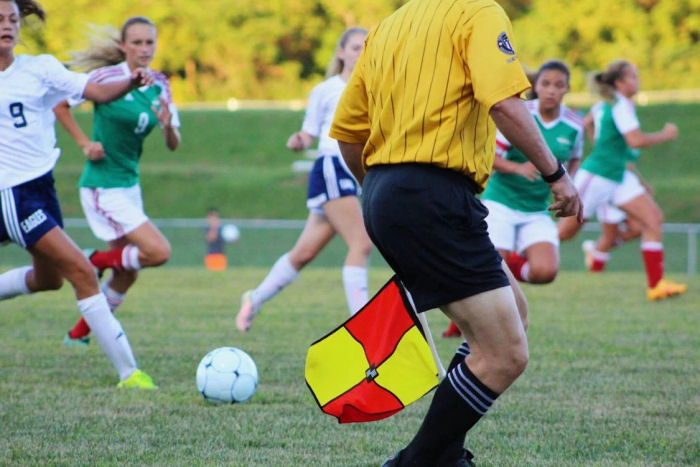 source : pexels
Women’s football has witnessed an unprecedented surge in popularity over the past few decades, evolving from a marginalized sport to a global phenomenon. In 2019, the FIFA Women’s World Cup drew in a record-breaking audience of over 1.12 billion viewers worldwide, underscoring the growing interest and support for the women’s game. This rise is not only reflected in viewership but also in the increasing participation rates, the formation of professional leagues, and the gradual recognition of female athletes' contributions to the sport. As more attention is drawn to women’s sports, platforms like Starzino casino also recognize the growing importance of diversity and inclusion in entertainment and sports.
However, the journey to this point has been fraught with challenges. Historically, women’s football has faced significant barriers, including institutional bans, lack of funding, and minimal media coverage. Despite these obstacles, the resilience and determination of female footballers and advocates have propelled the sport forward, leading to its current state of growth and recognition. The rapid rise of women’s football is a testament to the sport’s potential, but the path ahead is still lined with both challenges and opportunities that will determine its future trajectory.
Historical Background
Women’s football has a rich yet turbulent history, marked by early enthusiasm, followed by periods of significant suppression and neglect. The origins of organized women’s football can be traced back to the late 19th and early 20th centuries. In the UK, women’s football clubs like the Dick, Kerr Ladies team emerged during World War I, filling the void left by men who were away fighting. These teams attracted large crowds, demonstrating the public’s interest in the women’s game.
However, this early success was short-lived. In 1921, the Football Association (FA) in England banned women from playing on FA-affiliated grounds, claiming that "the game of football is quite unsuitable for females and ought not to be encouraged." This ban, which lasted for 50 years, significantly stunted the development of women’s football in England and influenced similar actions in other countries.
Despite these setbacks, women’s football persisted at a grassroots level, with unofficial teams and leagues continuing to operate. The lifting of the FA ban in 1971 marked a turning point, leading to the formation of official women’s leagues and the establishment of national teams. The first official FIFA Women’s World Cup was held in 1991 in China, signaling a new era for women’s football on the global stage.
The Rapid Rise in Popularity
The past two decades have seen a dramatic increase in the popularity of women’s football, driven by several key factors:
Global Growth
Women’s football has expanded rapidly across the globe, with significant increases in both participation and viewership. For instance, the number of registered female players worldwide grew from around 7 million in 2000 to over 30 million by 2020. This growth is reflected in the establishment of professional women’s leagues in countries like the United States, England, Spain, and Germany, which have become incubators for top talent and highly competitive teams.
Major Tournaments
The success of major tournaments like the FIFA Women’s World Cup and the UEFA Women’s Champions League has been pivotal in raising the profile of the sport. The 2019 FIFA Women’s World Cup, held in France, was a watershed moment for women’s football, not only for its record-breaking audience but also for the quality of play and the heightened media attention it garnered. Similarly, the UEFA Women’s Champions League has grown in prestige, with clubs like Olympique Lyonnais Féminin and FC Barcelona Femení dominating the European stage and inspiring the next generation of female footballers.
Influential Players and Teams
The rise of women’s football has been fueled by the emergence of highly skilled and marketable players who have become icons both on and off the pitch. Players like Marta, Megan Rapinoe, and Ada Hegerberg have not only excelled in their football careers but have also used their platforms to advocate for equality and social justice, further enhancing the visibility and appeal of the women’s game. Teams like the U.S. Women’s National Team (USWNT) have also played a significant role in popularizing the sport, thanks to their consistent success and outspoken advocacy for gender equality.
Challenges Facing Women’s Football Today
Despite the remarkable progress, women’s football still faces several significant challenges that hinder its full potential. These challenges are multifaceted, spanning financial disparities, media coverage, and cultural barriers.
1. Financial Disparities
One of the most glaring issues in women’s football is the financial disparity between the men’s and women’s game. This gap is evident in several areas:
- Pay Gaps: Female footballers, even at the highest levels, earn a fraction of what their male counterparts make. For example, in 2021, the total prize money for the FIFA Women’s World Cup was $30 million, compared to $400 million for the men’s tournament. This disparity reflects broader income inequalities within the sport, where sponsorships, endorsements, and salaries heavily favor male players.
- Sponsorship and Investment: Women’s football receives significantly less investment from sponsors and advertisers, which affects everything from player salaries to the quality of facilities and training resources. While there has been some improvement, with companies recognizing the growing popularity of the women’s game, the level of investment is still far from equitable.
- League Funding: Many women’s leagues around the world operate on tight budgets, leading to issues such as inadequate facilities, lower quality of training, and limited exposure. This underfunding can also result in less competitive leagues, which affects the overall development of the sport.
2. Media Coverage
While there has been a noticeable increase in media coverage of women’s football, it still pales in comparison to the attention given to the men’s game. Media plays a crucial role in popularizing sports, and the lack of consistent and widespread coverage hampers the visibility and growth of women’s football.
- Broadcasting Rights: Major women’s tournaments and league games are often relegated to less prominent channels or given limited airtime, reducing their accessibility to a wider audience. This contrasts sharply with the extensive coverage of men’s football, which dominates prime time and major networks.
- Narrative and Perception: The way women’s football is portrayed in the media can also be problematic. Coverage often focuses more on the athletes’ gender and appearance rather than their skills and achievements on the field. This type of coverage reinforces stereotypes and diminishes the legitimacy of women’s football as a competitive sport.
3. Cultural and Social Barriers
In many regions, cultural attitudes towards women’s football remain a significant barrier. These attitudes can manifest in various forms, such as:
- Limited Access: In some countries, women and girls face societal restrictions that limit their ability to participate in football. This includes lack of support from families, schools, or local communities, and in extreme cases, outright bans or discouragement from engaging in sports altogether.
- Stereotypes and Prejudices: There are still prevailing stereotypes that football is a "man’s game," which can deter women from pursuing careers in the sport or reduce their support from fans and institutions. These prejudices can be deeply ingrained, making them difficult to overcome without concerted efforts at both the grassroots and institutional levels.
The Future Prospects of Women’s Football
Despite these challenges, the future of women’s football is filled with potential. The key to unlocking this potential lies in addressing the existing disparities and capitalizing on emerging opportunities.
1. Potential for Growth
The next frontier for women’s football lies in expanding participation and professional opportunities. This growth can be fostered through:
- Youth Development Programs: Investing in grassroots programs that target young girls can help build a strong foundation for future talent. These programs can provide the necessary training, facilities, and support systems to nurture the next generation of female footballers.
- Expansion of Professional Leagues: Developing more professional women’s leagues globally, particularly in regions where women’s football is underdeveloped, can create more opportunities for players and increase the sport’s overall competitiveness.
2. Role of Technology and Data
Advances in technology and data analytics offer exciting possibilities for enhancing women’s football:
- Performance Analysis: Technology can help in improving player performance through data-driven insights. Tools such as GPS tracking, video analysis, and advanced metrics can provide coaches and players with detailed information to optimize training and match strategies.
- Fan Engagement: Digital platforms and social media have the potential to significantly boost fan engagement in women’s football. Interactive content, live streaming, and virtual reality experiences can bring fans closer to the game and help build a more robust and engaged fan base.
3. Increasing Investment and Sponsorship
The continued growth of women’s football will depend heavily on increased investment from various stakeholders:
- Corporate Sponsorships: As the commercial viability of women’s football becomes more evident, there is an opportunity for brands to invest in the sport. Sponsorships not only provide financial support but also increase visibility and credibility.
- Media Rights and Broadcasting: Securing better media deals that ensure women’s football is broadcasted on major networks and platforms can exponentially increase its reach and popularity. This requires negotiating more favorable broadcasting rights that reflect the growing interest in the sport.
Conclusion
The rise of women’s football has been nothing short of extraordinary, transforming it from a marginalized activity to a globally recognized sport. However, this journey is far from complete. The sport continues to face significant challenges, particularly in terms of financial disparities, media coverage, and cultural acceptance. Addressing these issues is crucial for sustaining the momentum and ensuring that women’s football reaches its full potential.
- Women's Football fixtures