
The Tactical Revolution Nobody Noticed and How It’s Shaping Modern Football
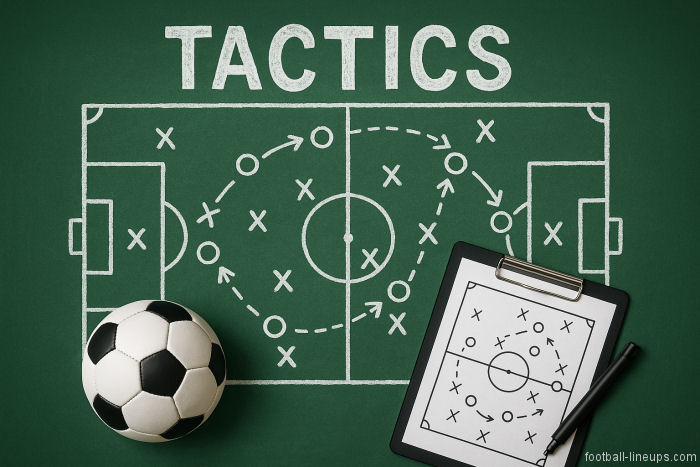
People often miss the big changes in football. They happen without much fanfare. Over time, these shifts build up and alter everything. We love to recall amazing goals or tense finishes. Yet the quiet tactical tweaks that set them up tend to fade from memory. In the past ten years or so, while everyone focused on huge player deals and sky-high prices, the way the game works has transformed on its own. This is not some short-lived fad. It is a steady overhaul in team strategies and mindsets.
You can point to one key concept behind it all. That is control. Back in the day, football thrived on pace, raw drive, and nonstop hustle. Games flipped back and forth wildly, driven more by fire than by careful plans. Now teams aim to steer every moment, whether they hold the ball or not. Keeping possession is not just for playing it safe anymore. It turns into a tool for striking back. Coaches have figured out that open areas matter more than sheer speed. They see that team positioning can decide matches long before anyone touches the ball.
Control and Calculation in the Game
Positional play has really taken over this period. Folks like Pep Guardiola, Mikel Arteta, and Roberto De Zerbi run setups that turn the field into a strategic grid. Each player's shift has a reason. Wingers pull defenders wide to open spots for those in the middle. Full-backs move inside to crowd the other side's midfield. Central defenders advance to hold enemy strikers in place. This setup feels nothing like the stiff lines from before. Squads flow smoothly now. They adjust shapes quickly and stay at ease through it all.
Players need smarts for this level of detail. Pure fitness does not cut it any longer. Top sides stock up on athletes who grasp angles and spacing as well as they handle intensity. The ball travels not only to push forward. It lures rivals into bad spots. It sets up snares and picks at tiny openings. This makes the odds on football feel like a calculated field. Still it holds space for creative flair.
Players today mix physical skill with tactical thinking. Practice drills stress reading situations and choosing wisely. Breaking down footage on video used to be uncommon. Now it happens every day. Even supporters have picked up more knowledge. Online posts, deep dives into tactics, and clip breakdowns have made fans into part-time experts. They argue over fake forwards and crowded boxes with real heat. These days the talk about the sport runs deeper. That comes from the matches themselves growing sharper.
In such a setup, winning hinges on flexibility. Sides that tweak their setup during play without stumbling keep winning. Knowing basic shapes is not sufficient now. Grasping switches between phases matters most. This explains why betting experts and forecasters go beyond plain stats for predictions. They weigh how tactics clash. They consider what roles players fill. They factor in how whole systems sway things. All that tactical variety adds surprise to results. In turn it makes watching the game way more engaging.
The Unsung Builders Behind It All
Managers grab most of the headlines for their transfer talk and negotiations. But analysts and support crew have fueled much of this change out of sight. Backroom teams have expanded into full groups of experts. Number crunchers, clip reviewers, strategy guides, and mind specialists all contribute to team output. The sport feels like a team effort now. Gut feelings pair up with solid proof.
Look at how underdogs challenge the big names. Clubs such as Brighton, Girona, and Brentford prove smart plans can match big budgets. They scout talent that slots right into their style. That approach has made them models for pulling off upsets. The divide between top tiers and scrappers narrows. Tactics serve as the main leveler these days.
Even with all the fresh approaches, the personal touch lingers in football. Athletes still act on pure instinct sometimes. Leaders still draw on feelings and drive to rally folks. What draws us to the game stays true. No stats can capture the guts to gamble or the spark to spot an unseen chance. Plans offer the framework. But a raw feeling ignites the fire.
That mix of method and impulse keeps this time so gripping. The sport advances yet keeps its soul. Designs grow more detailed. The excitement holds steady though. A well-timed squeeze, a string of sharp passes, or a fast break still buzzes with energy. The real shift lies in seeing the skill that builds it.
A Subtle Shift Pointing to Big Things Ahead
It started with minor tweaks in player spots. Now it reshapes the whole sport. From kid training grounds to pro circuits, everyone picks up this talk of layouts and zones. Trainers discuss edge areas and packed zones like artists chat about beat and flow.
Coming up, the focus will turn to quick choices and sharp wits. Stars who shine will read openings quicker than the rest. The coaches who last will adjust not only against foes. They will tune ideas inside their groups as they grow.
At the start, few spotted this tactical wave. But you see its marks all over now. Today's football runs cleverer, tighter linked, and more purposeful than before. What we see on the field goes beyond who fields the stars. It digs into the core rules of motion and grip.
This under-the-radar change adds layers to the sport. It makes things tougher yet more stunning. Progress in games does not always shout. Often it sparks from one thought on the grass. Then it remakes the game billions love for good.
Football tactics