
Decoding Tactical Shifts: How Lineup Changes Impact In-game Dynamics
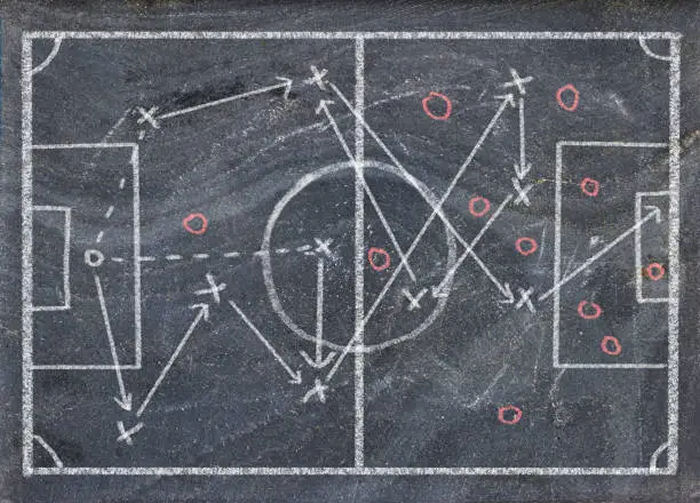 source pixabay
The sports world is quite exciting as you never know what will happen next. A simple injury can take out a key player, giving the upper hand to the opposing team that was previously the underdog. It is this dynamism that makes punters enjoy placing wagers, especially now that bookies have introduced betting apps that offer simplicity and convenience. However, before you can capitalise on lineup changes to place better bets, you must understand just how they affect the in-game dynamics. This guide explores the nuances:
When Do Lineup Changes Occur?
Team managers have several chances to change their lineups. The changes can be voluntary (such as during subs) or mandatory (as dictated by the ref or the game’s rules) as follows:
- During breaks, e.g., during halftime in soccer.
- During the game, e.g., rotating bowlers to surprise batters.
- Due to injury or fatigue – this is common in rugby.
- Due to specific game rules, e.g., ice hockey uses shifts to account for the fast pace.
It’s also important to note that a player may also have to leave the game because of foul play. In all these cases, the original lineup changes to account for the new player(s).
How Do Lineup Changes Influence the Game?
Suppose you backed a team because player A was the key striker, and they are known for their scoring precision and speed. But a few wrong moves later, the striker was out on a red card, prompting the manager to send in a sub. How would this affect the gameplay? Well, it turns out that a lineup change can have several outcomes, as follows:
It provides room for a formation change.
As a game ensues, the team manager has several chances to see what’s working and what's not. Luckily, teams always prepare for such instances by working on various tactical strategies and employing one after the other during the game. As such, a coach may decide to change the gameplay by substituting one or a few players to opt for a better structure that optimises the team’s strengths. In such a case, the lineup change would favour the team’s success.
It changes the status quo.
Once a game kicks off, the odds suddenly become clear to the onlookers. For example, team A might exhibit poor defences that team B can exploit to get the upper hand. As such, for a while, team B may have most of the power to the detriment of team A.
Team A’s management can change this dynamic by substituting the defence with more creative players. Or they could replace the current midfielders with those who are able to put pressure on Team B to ensure that Team A does not need a solid defence. With these or any other changes, the odds change, forcing Team B to look for other ways to remain competitive.
It destabilises the opponents.
While sports are mainly about the physical aspects, a good percentage of games come down to the psychology of the players. Team managers do this and often use lineup changes to inspire fear or concern from the opponents. How so?
Take the example of teams A and B. Suppose that team B has been banking on long shots to score goals from different angles. Team A’s management might decide to substitute the midfield with players who are great at possession. With fewer chances to score goals, team B’s players would be at a loss of what to do, forcing them to go back to the drawing board. As they did this, team A would have several chances to sway the odds in its favour by making moves during this time of chaos.
What’s more, most teams come up with strategies based on the starting lineup. So, if it changes for some reason, opponents have no choice but to question whether their original plans will bear any fruit.
It makes up for energy deficits.
Games are very physically demanding, even for athletes who spend their lives conditioning their bodies to weather such strain. At some point, some players will get tired, which will impact their ability to carry out their duties. Team managers address this by substituting the tired players with those who are on the bench. Not only are the fresh players usually full of energy, but they are also often eager to make the most of their time, which pushes them to perform at their peak. Some managers capitalise on this further by saving the younger talent for last, as such players are able to keep at it for longer periods of time.
It maintains the competitive advantage.
Sometimes, a team’s tactics are working as expected. However, the players tasked with the roles are getting tired, losing focus, or suffering from injuries, affecting their ability to perform optimally. In such cases, team managers keep everything as it is and inject new players who can
fit into the existing roles to ensure that the defensive or offensive play remains as it was. For example, a football coach may decide to substitute a striker who seems to be struggling with finishing despite having numerous chances to do so.
It boosts team morale.
After minutes or hours of playing, it’s only natural that players might feel tired, both mentally and physically, especially if they are on the losing end. Team managers often use this time to bring in a player who is known for their exceptional abilities. Such additions inspire confidence among the players, who experience a renewed interest in sticking to the game strategies.
Factors to Consider
While lineups impact game dynamics, the extent to which they do so depends on the following factors:
- The timing. Introducing a sub too early robs the starting player of the chance to make an impact on the game. At the same time, a late sub can predispose key players to injuries or severe fatigue. What’s more, poor timing can affect the game’s momentum.
- The player fit. Team chemistry matters in any lineup. As such, a change that introduces players who are not familiar with the key players can affect team cohesion, resulting in poor performance.
- The tactical fit. Lineup changes work best if they are in relation to the opponent’s strategy. Failing to address this can leave the team exposed to attacks, e.g., if a team has a poor defence, the lineup should cater to this.
Punters must consider all these factors when making the decision on whether they will change their wagers based on the lineups.
- Football tactics