
Why Predicting Football Lineups Has Become a Major Part of Fan Culture
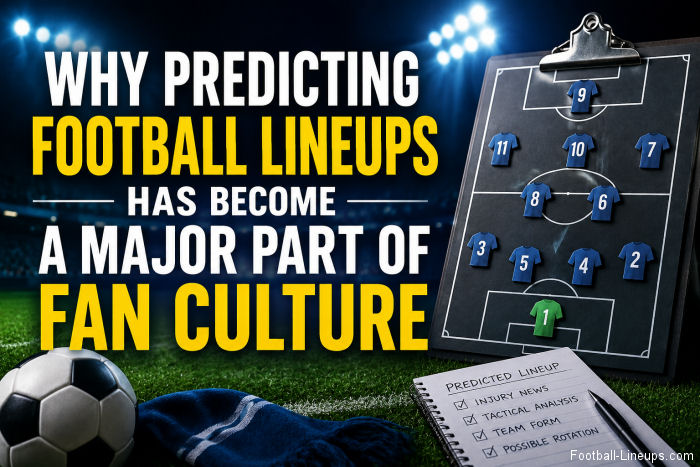
Predicting football lineups has evolved from casual pre-match speculation into one of the most popular aspects of modern football fandom. Supporters now spend hours discussing predicted lineups, expected starting XIs, tactical formations, injury news, and team selection decisions before every match. As football data becomes more accessible, fans can analyze recent lineups, player performances, suspensions, and injuries to make increasingly accurate predictions.
Social media platforms, football websites, and lineup prediction tools have transformed team selection debates into a daily conversation. Fans no longer wait for the official lineup announcement an hour before kick-off. Instead, they follow training reports, manager press conferences, injury updates, and tactical trends to predict who will start. Whether discussing a Premier League clash, a UEFA Champions League fixture, or an international tournament, predicted lineups have become an essential part of the matchday experience.
The growing popularity of lineup predictions reflects a wider shift in football culture. Supporters want to understand not only which players are available, but also how managers use formations, rotations, and tactical adjustments against different opponents. As a result, predicting football lineups has become a key way for fans to engage with the game long before the first whistle.
Today, fans are engaging in detailed conversations about who will start for their teams, dissecting possible formations hours before matches take place. This increase in attention is largely driven by online communities, where roulette online and lineup prediction discussions unfold across forums, live chats, and social feeds. As a result, predicting football lineups has become a regular pre-match activity, fostering both individual anticipation and a shared narrative among supporters. Understanding why lineup prediction matters provides insight into how the relationship between fans, tactics, and the football experience continues to evolve.
The evolution of pre-match lineup speculation
In previous decades, fans discussed lineup possibilities in small groups or local settings, typically relying on newspapers or radio updates for information. Now, the conversation is more immediate and accessible, with social media channels providing constant streams of rumours, hints, and tactical predictions up to kick-off.Specialised accounts and apps dedicated to tracking team news have emerged, offering real-time updates and bringing together larger online communities. This transformation has made lineup speculation a participatory activity, allowing supporters to engage directly with tactical trends and team news as it breaks.
Lineup choices signal intent and tactical approach
A starting lineup can reveal much about a manager’s mindset before a match begins. Selection choices communicate strategy, whether that means employing an aggressive press, focusing on defensive solidity, or rotating the squad to manage fatigue.From the goalkeeper’s selection to the central midfield pairing, each player chosen has tactical implications. Anticipating how these choices will affect the game keeps fans invested, as lineups offer early clues about intended formations and game plans.
The information ecosystem driving predictions forward
Fans often review press conference remarks, club-released training ground updates, and official injury reports while attempting to predict lineups. Routine updates shared by club media can prompt debates about a player’s readiness or a manager’s tactical intent, as each piece of information is considered by supporters seeking further insight.Late fitness tests and last-minute changes introduce additional uncertainty, making final predicted elevens subject to change up to kick-off. Between official hints and ongoing discussions, fans navigate a landscape rich in detail, complexity, and regular surprises.
Debate, learning, and unpredictability enhance engagement
Predicting football lineups creates an entry point into tactical analysis, letting fans identify patterns in team selection based on match-ups, formation preferences, or player characteristics. Supporters frequently discuss why one midfielder is selected over another, or how a tactical switch might change the outcome of a game.This attention to squad selection shows where fans might misinterpret a coach’s intentions, such as overvaluing the idea of a “best XI” or neglecting less obvious roles on the pitch like inverted full-backs or double pivots. Managers often leverage this uncertainty, using rotation or surprise choices to keep supporters, and opponents, guessing.
The community experience and enduring appeal of lineup rituals
Collective forecasting, through polls, comment threads, or digital XI-building tools, has become an important way for fans to connect with one another. These activities contribute to a sense of belonging, allowing supporters to participate in the tactical narrative that plays out before matches begin.The popularity of predicting football lineups continues because it gives fans the opportunity to apply tactical knowledge, learn from real-life decisions, and share in the suspense. This low-stakes, communal ritual shapes the pre-match environment and turns every starting eleven announcement into a moment of shared anticipation and excitement.