
Harry Kane’s career: rejection by Arsenal, four loan spells and his first title at the age of 31
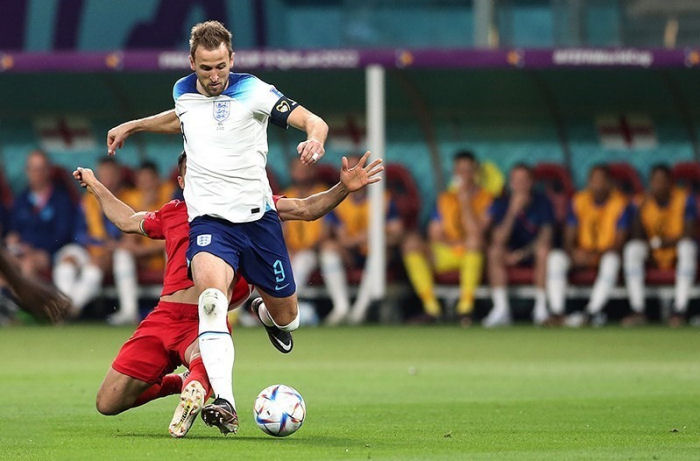 source Hossein Zohrevand
Harry Kane's statistics for the last ten seasons are impressive: every year he scores at least 17 goals in the league. This trend is sure to continue in the 2025/26 season. In the Bundesliga, the Bayern Munich striker is confidently ahead of schedule in terms of goals per game. To achieve such results, the footballer had to change many teams and go through several crises — at one point, he almost quit football. We tell the story of one of the world's strongest strikers.
The joy of football and lifelong friendships
As a footballer, Harry Kane began his journey playing regular games in a park near his home with his brother and father. In 1999, when Harry was six years old, his parents saw an advertisement in the local newspaper for recruitment to the Ridgeway Rovers youth team — the same place where David Beckham learned to play football in the mid-1980s. During the trial, coach Dave Bricknell asked the boys who could play in goal, and Kane volunteered.
He confidently saved shots, and the coach was delighted — few children like to play in goal. But then Kane's father approached Bricknell and told the coach that Harry actually played as a striker. ‘We put him on the pitch, and he started scoring goal after goal,’ Dave recalled.
At Ridgeway Rovers, Kane enjoyed football with childlike enthusiasm. There he made friends with whom he still keeps in touch. "At that age, it's all about having fun, playing as best you can and doing everything with a smile. That's what I tried to do. That's what my parents taught me — and, as you can see, the plan worked," the footballer summed up.
The most popular games here are US online sportsbook
Failure at Arsenal and revenge
At the age of eight, Kane joined the Arsenal academy. But in his age group, there were more athletic, productive and talented forwards. Benik Afobe and Chuks Aneke never made it to Arsenal's first team, but they were considered the top talents in the youth teams. Coach Dan Buck, who was working with the under-nine teams at the time, said: ‘On Saturdays, I held training sessions for those who weren't selected for Sunday's match, and Harry ended up in that group more often than he would have liked. Afobe and Chuks could score seven goals each per game, while poor Harry got five minutes at most.’
Small, not particularly fast, and a little chubby, Kane was physically inferior, but he still stood out at times — once even scoring with a bicycle kick. Due to his rare appearances on the pitch, he gradually began to lose confidence, and his teammates passed to him less and less. Harry even tried other positions, but in 2002, Arsenal said goodbye to him.
This moment was a turning point for Kane. He held on to his resentment into adulthood. In 2015, he played against Arsenal for the first time at a professional level. Tottenham won 2-1, with Harry scoring both goals. He later admitted that he had never experienced such a storm of emotions in his entire career.
Tears and years at the Tottenham academy
After his disappointment at the Arsenal academy, Kane returned home to Ridgeway Rovers. "I had the opportunity to just keep playing, stay in shape, rediscover my enjoyment of football and deal with my disappointment. I was back with my friends, scoring lots of goals and maintaining my love for the game," Kane described that period.
At the age of 11, Tottenham came for him. After being rejected by a big club at such a young age, it is difficult to get top clubs interested again, but Harry managed it. However, it all turned out to be another failure. After six weeks of training in 2004, Tottenham decided not to take the boy into the team. Luckily, Watford gave Kane a chance.
Ironically, during the trial, the club had a match against Tottenham. Harry was put on the pitch and he took full advantage of the opportunity, scoring a hat-trick. After the game, the head of the Spurs academy called Kane Sr. and informed him that Tottenham wanted to sign his son.
Harry could have cried at this turn of events, but his tears were for a different reason: ‘The last time I cried was a long time ago. Probably when England lost to Portugal on penalties at Euro 2004. I didn't shed a tear even when our daughter was born. I like to be happy, and crying is not something I associate with happiness.’
Conclusion: perseverance rewarded
Harry Kane’s career is a reminder that elite footballers are not always the most obvious talents at a young age. Rejected, overlooked and forced to start again more than once, he built his success through persistence, self-belief and constant improvement rather than early acclaim. From park football to academy setbacks and years of uncertainty, Kane never lost his connection to the game or his instinct in front of goal.
Now, with record-breaking consistency and his first major title finally secured, his journey stands as proof that resilience can be as decisive as raw talent. In an era dominated by instant success stories, Harry Kane’s rise remains one of modern football’s most compelling examples of patience paying off.
Harry Kane profile