
From Chalkboards to Code: How Tech Is Rewriting Football Tactics
Football has always been about margins. A second quicker, a meter tighter, a smarter run into space. Coaches used to chase those edges with chalkboards, endless video replays, and a gut feeling on the sideline. Now, the game has new assistants that are silent, invisible, and powered by data. Technology isn’t just scouting anymore. It’s coaching in real time.
The End of Guesswork
For decades, managers relied on instinct. A full-back looked tired, a midfielder seemed lost? Changes were made on feel. That intuition still matters, but now it’s backed by a flood of information. Advanced tracking systems record every sprint, tackle, and recovery. Wearables ping heart rates, GPS chips chart positioning, and cloud platforms process it all before the coach has even finished shouting from the dugout.
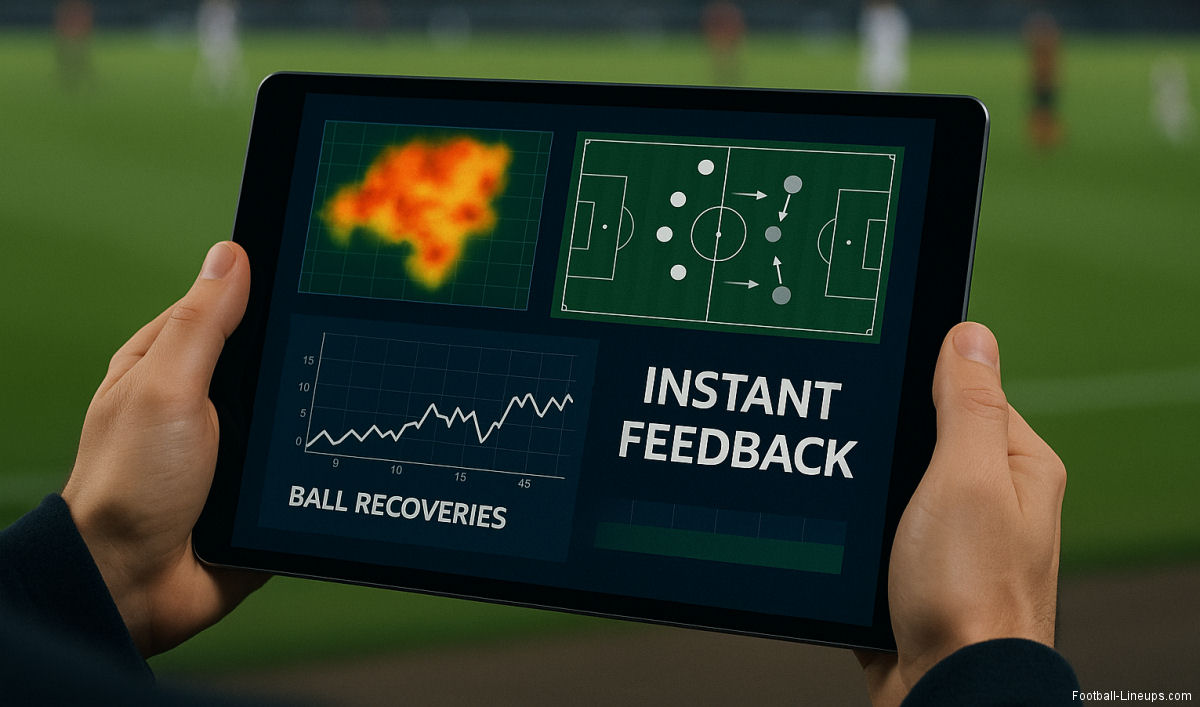
What once required long Monday morning review sessions is now available instantly on a tablet during the match. And it’s not just for the coaches—fans and betting enthusiasts can follow along too. A player’s heatmap updates live, showing exactly where he’s drifting, while ball recovery stats reveal if the press is breaking down. Managers who ignore this instant feedback risk falling behind. The same data is also integrated into platforms like Betway, where it powers real-time information and odds. When using sport betting zambia, you can access this data and place bets as the action unfolds.
Whispered Advice From the Cloud
Some of the latest tools go beyond analysis and into decision-making. Clubs are experimenting with systems that don’t just show numbers, they suggest moves. Should you push the line higher? Switch pressing triggers to the other flank? Sub your striker before his sprint count collapses?
Liverpool recently worked with Google’s DeepMind on set-piece positioning. The AI’s suggestions outperformed human coaches in test scenarios, predicting where defenders should stand to stop high-quality chances. That’s not a highlight package, it’s tactical coaching coded into an algorithm.
The Players Feel It Too
This shift isn’t only for staff. Players are living inside this new data bubble. Training sessions now include instant video clips delivered to tablets after drills. “Here’s where your run broke down, here’s the half-second you lost.” Some teams are even testing earpieces to deliver tactical nudges in real time though FIFA still has its reservations about how far that can go.
For players, it’s a double-edged sword. The clarity helps performance, but the spotlight is harsher. Mistakes aren’t abstract anymore; they’re tracked, stored, and replayed. The margin for error is slimmer, but the chance to improve is bigger.
Culture Clash on the Sidelines
Not everyone is thrilled. Purists argue football risks losing its spontaneity if every move is engineered by software. Managers built on instinct bristle at the idea of algorithms second-guessing them. But for younger coaches raised in a world of analytics, this isn’t intrusion, it’s a necessary evolution.
The proof is already visible. Teams leaning into live data and tactical modeling adjust faster during games. They spot weak zones before the opponent scores. They substitute before fatigue turns into injury. The numbers don’t replace the human element, but they tilt the odds toward those who embrace them.
The Road Ahead
This is only the start. Expect more AR dashboards on benches, more predictive modeling for in-game changes, and more personalized coaching delivered straight to players during matches. The conversation is shifting from “what happened” to “what will happen if we don’t adjust now.” Football has always been about fine margins. Now those margins are measured in real time, by machines that never blink. Coaches still hold the final call, but the game’s new tactical assistant is clear: it runs on code, not chalk.
Conclusion
Technology is not simply adding layers of data to football—it is fundamentally changing the way the game is played, prepared for, and understood. From GPS trackers and AI-driven performance analysis to video-assisted refereeing and tactical modeling software, coaches now have unprecedented insight into both their own teams and their opponents. This has led to more precise pressing systems, highly adaptive formations, and the ability to fine-tune strategies for specific match situations. Football, once driven heavily by instinct and tradition, is increasingly shaped by evidence-based decisions and real-time feedback loops.
Yet, while the tools continue to evolve, the heart of the game still lies in the creativity of players and the intuition of coaches. Technology may accelerate tactical innovation and sharpen competitive edges, but it cannot fully replace the human factors of improvisation, leadership, and emotion that define football. In the end, the sport’s ongoing transformation reflects a balance: a game rooted in passion, but increasingly played on the cutting edge of data and digital intelligence.