
Weather on the Pitch: How Conditions Change Football Outcomes
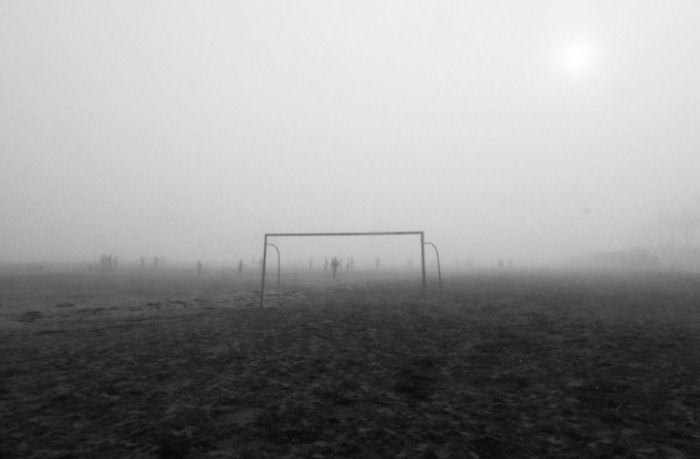 source arbi lemzaouri
Football matches get decided by more than talent when nature interferes with the beautiful game. Weather conditions flip games upside down and make favorites look like amateurs while brilliant tactics fall apart. Rain turns perfect pitches into skating rinks, scorching heat saps player energy, and wild winds turn simple passes into guesswork.
Smart bettors know that weather chaos creates great opportunities. Many punters now prefer UK bookmakers without verification when they spot weather patterns that could favor underdogs. These no KYC sites allow quick bets when forecasts suggest major upsets ahead.
Brazil vs Italy (1970 World Cup Final)
Azteca Stadium reached over 100 degrees that afternoon in Mexico. Everyone expected the heat to favor Italy's slower, more methodical approach over Brazil's rapid style. Brazilian players looked exhausted early as their quick passes lost precision in the oppressive conditions.
Pelé showed remarkable intelligence by conserving energy during the first 45 minutes. His teammates followed suit while Italy pushed forward aggressively. The second half told a different story entirely. Brazil exploded with three magnificent goals while Italian legs cramped across the pitch. The same heat that threatened to destroy Brazil actually eliminated Italy from contention.
Arsenal vs Manchester United (1990)
Heavy rain turned Old Trafford into a swamp that day. Arsenal showed up with their typical passing game, but the soaked pitch made their fancy football pointless. Every pass skidded unpredictably across the saturated surface.
United adapted faster by abandoning finesse for directness. Long balls and physical duels suited the awful conditions perfectly. Arsenal's superior technique meant nothing when players slipped constantly. United battled through determination while Arsenal struggled with conditions that negated their biggest advantage.
Crystal Palace vs Everton (2014)
Crystal Palace and Everton couldn't play their Premier League match in February 2014 because of dangerous winds. Storms hit Britain that day, and officials decided it wasn't safe to play the match.
They cancelled the game an hour before it started. The wind made it impossible for players to kick the ball properly, and officials worried fans might get hurt at Selhurst Park.
Roberto Martinez and some Everton players met with fans who had traveled to London for the match. One supporter felt especially disappointed as he had waited thirty years to watch Everton play live for the first time.
England vs Colombia (2018 World Cup)
Moscow's wild winds turned the penalty shootout into total madness for both teams that night. England had drilled penalties for weeks and worked on their technique constantly, but the gusty conditions made all that preparation completely useless. Every ball moved in strange ways as it flew through the air, which meant nobody could predict where shots would land.
Jordan Pickford stayed calm and watched where each ball actually went instead of diving early, which worked much better than David Ospina's approach. Colombia's players kept trying to adjust for the wind that changed direction with every shot, but their penalties kept sailing wide anyway. England finally broke their penalty shootout curse after more than twenty years, partly because their goalkeeper read the conditions better than anyone else on the pitch.
Liverpool vs AC Milan (2005 Champions League Final)
Istanbul's unexpected heat wave surprised both teams that evening. Milan dominated the first half when temperatures remained reasonable and built their commanding three-goal advantage. The oppressive conditions intensified as the match progressed into the second period.
Liverpool's young legs handled the heat much better when temperatures refused to drop below 85 degrees. Steven Gerrard and the rest of the squad kept running at full speed while Milan's older players started to fade badly. The shock of going from cool locker rooms to the blazing hot pitch hit Milan's squad hard every time they came back out.
Weather is still the ultimate equalizer in football today. Teams that adapt quickest to changing conditions often find unexpected victories. Modern managers check forecasts as carefully as opponent reports because they know atmospheric conditions can matter more than any tactical preparation.