
What is Futsal, Mini-Football, and Micro-Football?
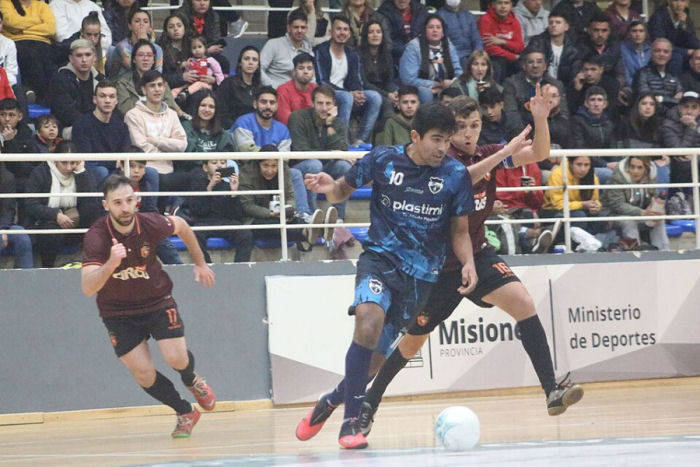 source Solofutsalposadas
Futsal, Mini-Football & Micro-Football: Rules, Differences, and Ball Control Explained
Futsal, mini-football, and micro-football are exciting variations of traditional football (soccer) that emphasize speed, technical skills, and teamwork in smaller spaces. Although played on reduced pitches with fewer players, these formats are no less thrilling—they often provide more dynamic and spectacular action than the full-sized game.
Futsal
Futsal is the most popular small-sided version of football, recognized worldwide and played under official FIFA rules. Compared to mini-football, futsal uses a smaller, low-bounce ball and allows substitutions “on the fly” at any moment. There is a lot of fun and excitement in futsal, where quick passes and set pieces decide many matches. And if you enjoy fast-paced action off the court too, you might like Lucky Clover slots real money , which offers the same mix of tension and surprise.
Important futsal rules include:
- Teams cannot keep possession in their own half for longer than 15 seconds.
- Goalkeepers can touch the ball with their feet an unlimited number of times after a pass.
- Around 40–50% of goals come from set pieces such as free kicks, corners, and throw-ins.
- The mark for a double penalty is 9 meters.
Because of its emphasis on quick passing and set plays, futsal is not only fun but also a proven training ground for professional footballers worldwide.
Tip: Many fans combine their love of futsal with other games of chance—check out scratchcards for an extra dose of excitement alongside the sport.
History of Futsal
The origins of futsal date back to the 1930s in Montevideo, Uruguay, when teacher Juan Carlos Ceriani developed a five-a-side indoor version of football for youth competitions. The game spread quickly through South America, especially in Brazil, where it became a key training ground for young players.
FIFA officially recognized futsal in the late 1980s, and the first FIFA Futsal World Cup took place in 1989. Since then, futsal has grown into a global sport with structured leagues, international tournaments, and millions of participants worldwide.
Global Popularity of Futsal
Today, futsal is especially popular in Brazil, Spain, Portugal, and Argentina, where professional leagues attract large crowds and media coverage. European countries such as Italy and Russia also have strong futsal traditions, while Asia and the Middle East are rapidly adopting the sport.
Futsal is governed internationally by FIFA and the AMF (Asociación Mundial de Futsal), each organizing their own world championships. The sport is also featured in the Youth Olympics and has been proposed for inclusion in future Olympic Games.
This global growth highlights futsal’s role not only as entertainment but as a developmental path for young footballers.
Mini-Football
In mini-football, each team is made up of four field players plus a goalkeeper. The game is fast-paced, with constant changes of direction that demand quick thinking and reactions.
Key features include:
- Mastering toe kicks and sole control to move the ball effectively.
- Using one-touch passes to escape pressure.
- Limited goalkeeper passes: only one allowed before the ball must cross the center line.
- Discipline rules: if a player is sent off, the team plays with fewer players for two minutes.
- After the fifth foul, opponents are awarded a double penalty kick from 10 meters.
This format rewards technical mastery and intelligent decision-making under pressure.
Micro-Football
Micro-football is the most informal and flexible version of the sport. Teams are formed with just three players, and games can be organized almost anywhere—even with a simple car as a “team bus.” It’s a highly democratic form of football, perfect for casual competitions and small communities.
Ball Rebound and Equipment Differences
One of the biggest differences between futsal/mini-football and traditional football lies in the ball’s design and rebound:
-Mini-football balls are made with special foam, cotton, or other fillers to reduce elasticity, making them softer and easier to control in tight spaces.
-Soccer balls are more elastic and bounce harder, punishing poor control.
For players transitioning from outdoor football to indoor futsal or mini-football, adjusting to the flight path and reduced bounce of the ball can take time. For example:
- In mini-football, the ball flies straighter and is harder to bend in an arc compared to a traditional soccer ball.
- This forces players to rely on accuracy, quick reactions, and teamwork rather than long solo runs.
Final Thoughts
Whether it’s mini-football, futsal, or micro-football, these smaller formats bring out the technical beauty of the game. They demand creativity, quick decision-making, and precise ball control. At the same time, they make football accessible to more people by lowering space and equipment requirements, ensuring that the world’s most popular sport can be played anywhere.
Benefits of Playing Futsal and Mini-Football
Small-sided formats like futsal and mini-football provide unique benefits compared to traditional football:
-Skill development: Players must master quick passing, ball control in tight spaces, and sharp decision-making.
-Fitness and agility: Constant movement builds stamina, coordination, and reflexes.
-Player development: Many global stars—including Lionel Messi, Neymar, Cristiano Ronaldo, and Ronaldinho—started by playing futsal, which honed their close control and creativity.
-Accessibility: Indoor halls and smaller pitches make the game available to more communities year-round.
This makes futsal not just a recreational sport but also a powerful training tool for aspiring professionals.